The Reality of Underage Drinking in Japan
Despite a legal drinking age of 20 that has stood for over a century, underage drinking in Japan remains remarkably common. Research consistently shows that a significant majority of Japanese teenagers have consumed alcohol before reaching the legal age — a reality that exists in tension with Japan’s otherwise law-abiding reputation.
Understanding this phenomenon requires examining statistics, cultural attitudes, and the gap between law and social practice.
Underage Drinking Statistics in Japan
Junior High School Students (Ages 12-15)
A landmark study published in the Journal of Studies on Alcohol found that by their first year of junior high school (around age 12), more than 75% of Japanese adolescents had tried alcohol. Specifically:
- 80% of boys reported consuming alcohol at least once
- 75% of girls reported the same
The most common drinking situations were:
- Ceremonial occasions (52.4%)
- Drinking with family (39.0%)
- Drinking with peers (20.6%)
- After a bath (9.7%)
Senior High School Students (Ages 15-18)
Follow-up surveys revealed even higher rates:
- 70% of senior high school students reported some experience with alcohol
- Drinking behavior doubled over a 5-year tracking period
- Drinking with friends gradually replaced drinking with family
- Problem drinking increased more than 100 times from junior to senior high school
Gender Differences
Research found notable differences between male and female students:
- Male students preferred beer and exhibited more drinking problems (fighting, vomiting, blackouts)
- Female students preferred sweet or fruit-flavored cocktails
- Drinking problems among female students increased during the study period even as overall consumption appeared to decrease
Why Is Underage Drinking So Common in Japan?
Cultural Acceptance of Alcohol
Japan has one of the most alcohol-accepting cultures in the world. Alcohol is viewed not as a dangerous substance but as a normal part of social and family life. Children are often exposed to alcohol at family gatherings, religious ceremonies, and traditional events from an early age.
Easy Access
Alcohol is available everywhere in Japan — convenience stores, supermarkets, vending machines, and restaurants. While stores are supposed to check age, enforcement is inconsistent. Many convenience stores simply require customers to press a button confirming they are over 20, with no ID verification.
Family as the Primary Source
Surprisingly, the major source of alcohol for underage drinkers is their own home. Parents may offer children small amounts of beer or sake at family meals, viewing it as a normal introduction to adult customs rather than a legal violation.
Weak Enforcement
While the law is strict on paper, enforcement focuses on sellers rather than underage consumers. Police rarely patrol for underage drinking, and schools handle most incidents internally rather than involving law enforcement.
Japan’s Underage Drinking Prevention Efforts
Legal Framework
The Act on Securing Healthy Development of Youths prohibits selling alcohol to minors and places heavy penalties on businesses that violate the law. The Act for Prohibiting Minors from Drinking specifically targets underage consumption.
Industry Self-Regulation
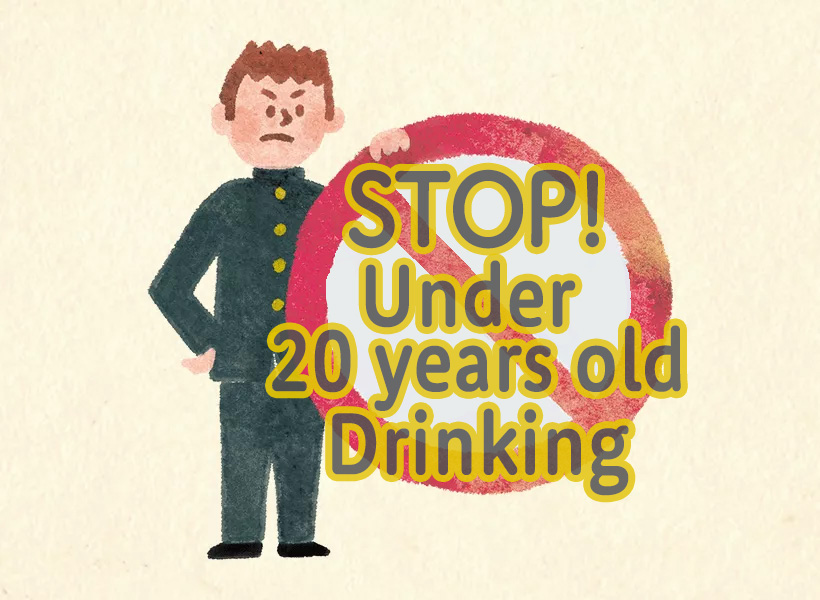
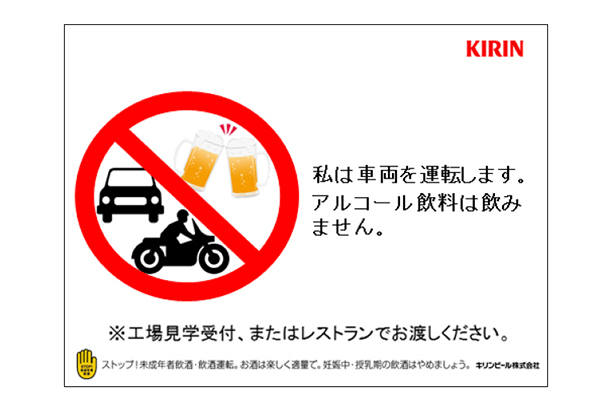
Japanese alcohol manufacturers voluntarily include warning messages on packaging and advertising. Some manufacturer websites require users to enter their date of birth before accessing content. Major breweries like Kirin, Asahi, and Suntory run educational campaigns about responsible drinking.
Here’s an example of industry prevention messaging:
School Education
Schools incorporate alcohol education into health classes, though critics argue the approach is often too theoretical and fails to address the social realities students face.
Declining Vending Machines
The number of alcohol vending machines has decreased significantly, particularly in urban areas, making it slightly harder for minors to access alcohol anonymously.
The Paradox: Strict Law, Lax Reality
Japan presents a fascinating paradox: a nation with strict drinking laws, heavy penalties for sellers, and a cultural emphasis on rule-following — yet with underage drinking rates that rival or exceed many countries with lower legal ages.
This reflects a deeper cultural truth: in Japan, alcohol is viewed as a social tool rather than a controlled substance. The law exists to protect businesses and maintain social order, but the actual prevention of underage drinking relies more on family guidance and social norms than legal enforcement.
FAQ: Underage Drinking in Japan
Q: What percentage of Japanese teenagers drink alcohol? A: Studies show 50-80% of junior and senior high school students have consumed alcohol at least once.
Q: Where do underage drinkers get alcohol? A: Primarily from their own homes, followed by convenience stores. Vending machine access has declined.
Q: What are the penalties for underage drinking? A: For minors: usually warnings or being asked to leave. For sellers: fines up to ¥500,000 and potential license loss.
Q: Is underage drinking a big problem in Japan? A: While common, it rarely leads to the binge-drinking problems seen in some Western countries. Most underage drinking is moderate and occurs in family or ceremonial contexts.
Q: Has the 2022 adulthood law change affected underage drinking? A: No. The drinking age remained at 20 despite the legal adulthood age dropping to 18.
Conclusion
Underage drinking in Japan exists in a gray zone between strict law and cultural acceptance. With 75-80% of adolescents reporting alcohol experience before age 20, the phenomenon is widespread yet rarely disruptive. Japan’s approach — punishing sellers while treating underage consumers with leniency — reflects a cultural understanding that alcohol education happens best within families and communities rather than through criminalization. For policymakers and parents alike, the challenge remains balancing tradition with public health in a rapidly changing society.