Planning begins with dimensions, density and a supplier quote. This driveway gravel calculator converts length, width and driveway gravel depth into volume, weight and cost. It covers gravel driveway layers, compaction, drainage, edging, ground preparation and delivery. Depths are assumptions because soil, traffic, climate and local standards vary.
Quick answer: how much gravel for a driveway?
| Featured snippet: Measure length and width, choose depth, then multiply for volume. Divide cubic feet by 27 for cubic yards. Multiply volume by supplier density for tons, add an allowance, then apply price, delivery and tax. |
How to measure length, width and depth
Measure the vehicle-route length and average widths at several points. Split curves and flares into shapes, then total their areas. Measure depth after removing topsoil. Divide inches by 12 for feet or millimetres by 1,000 for metres. State whether depth is loose or compacted.
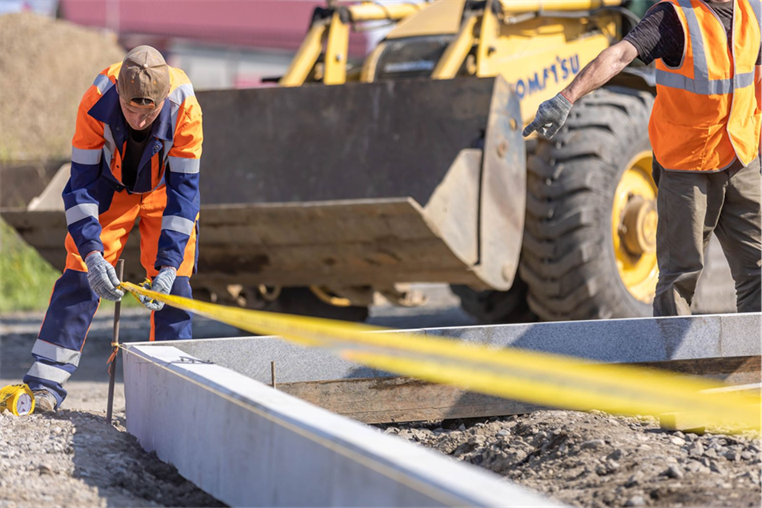
Figure 1. Measure the full driveway route and average width before calculating volume.
Driveway gravel calculator formulas
Use consistent units. Obtain supplier density because outputs are estimates.
| Result | Formula |
| Cubic feet | Length in feet multiplied by width in feet multiplied by depth in feet |
| Cubic yards | Cubic feet divided by 27 |
| Cubic metres | Cubic feet multiplied by 0.0283168 |
| Short tons | Cubic yards multiplied by short tons per cubic yard |
| Metric tonnes | Cubic metres multiplied by metric tonnes per cubic metre |
| Estimated gravel cost | Billable quantity multiplied by unit price, plus delivery and taxes |
Cost, density and allowance
Gravel calculator tons estimates use 1.40 short tons per cubic yard and 1.50 tonnes per cubic metre. Moisture, grading and rock type alter density. Confirm whether supplier bills by ton, tonne or yard. Add a justified allowance; five to ten percent is common, not universal.
Driveway materials compared
Material choice affects stability, drainage, appearance and maintenance; confirm each supplier’s grading.
| Material | Useful role | Planning consideration |
| Crushed stone | Angular base or surface | Interlocks but may dust |
| Limestone | Base and finish | Hardness varies |
| Road base | Dense foundation | Fines reduce permeability |
| Granite gravel | Durable surface | Higher cost |
| Pea gravel | Decorative surface | Rounded stones migrate |
| Recycled aggregate | Economical sub-base | Check cleanliness and grading |
Gravel driveway layers and planning depths
Each construction course has a role. Thickness depends on subgrade, traffic, frost, rainfall and rules.
| Layer | Purpose | Indicative compacted range |
| Sub-base | Separates weak soil and spreads loads | Site-specific |
| Base layer | Coarse crushed stone or road base | Four to eight inches |
| Surface layer | Smaller angular wearing course | Two to four inches |
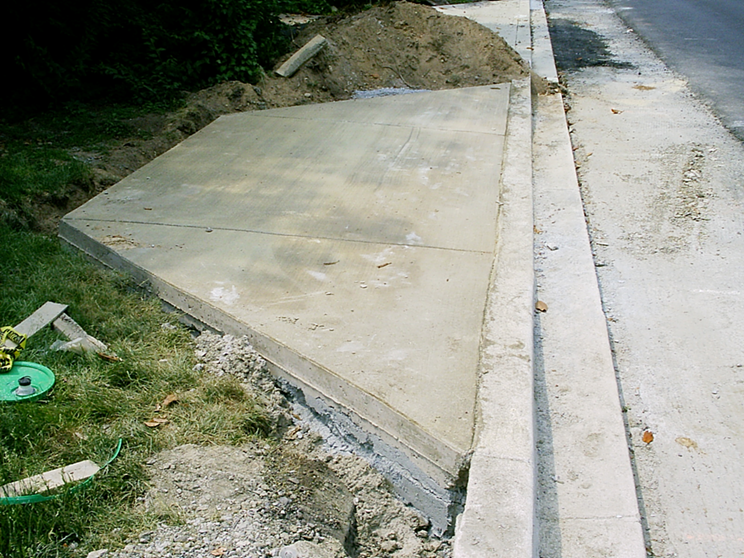
Figure 2. Exposed aggregate at a driveway edge illustrates the supporting layer beneath the surface.
Quantities for common driveway sizes
Values use 1.40 tons per cubic yard, excluding allowance.
| Driveway | Depth | Cubic feet | Cubic yards | Short tons |
| 20 by 10 feet | 3 inches | 50.00 | 1.85 | 2.59 |
| 40 by 10 feet | 4 inches | 133.33 | 4.94 | 6.91 |
| 40 by 20 feet | 4 inches | 266.67 | 9.88 | 13.83 |
| 300 by 12 feet | 6 inches | 1,800.00 | 66.67 | 93.33 |
Four worked driveway examples
Short residential driveway
At 20 by 10 feet, 3 inches deep, volume is 50 cubic feet, 1.85 cubic yards or 1.42 cubic metres. Weight is 2.59 short tons or 2.12 tonnes. Ten percent allowance gives 2.85 short tons, costing $276.75 at $55 plus $120 delivery.
Single-car driveway
At 40 by 10 feet, 4 inches deep, volume is 133.33 cubic feet, 4.94 cubic yards or 3.78 cubic metres. Weight 6.91 short tons or 5.66 tonnes. Ten percent allowance would allow 7.60 short tons = 50 by 50 plus 125 delivered.
Double-car driveway
At 40 by 20 feet, 4 inches deep, volume is 266.67 cubic feet, 9.88 cubic yards or 7.55 cubic metres. Weight is 13.83 short tons or 11.33 tonnes. Ten percent allowance will yield short tons of 15.21 costed at 880.08 at 48 plus 150 delivery.
Long rural driveway
At 300 by 12 feet, 6 inches deep, volume is 1,800 cubic feet, 66.67 cubic yards or 50.97 cubic metres. Weight is 93.33 short tons or 76.46 tonnes. With eight percent allowance 100.80 short tons equals $4,683.60 at 42 and an additional 450 delivery.
Preparation on the ground, compaction and drainage.
Razen vegetation, organic soil and soft pockets, clear subgrade pits out around buildings. Geotextile will be able to isolate the weak soil and the aggregate. Position sub-base and base in lifts and press each in front of surface stone. Edging keeps migration in check, and crown, crossfall, swales or drains keep run off in check. Certify culverts, services and permits. Request evaluation of slopes, bad soils, lots of traffic or water.
Crushed stone driveway calculator delivery checks
Check gates, cables, branches, turning space, gradients and truck weight. Select solid, hard shouldering area without markedly sloping areas and utilities. Staged loads may be required on rural projects. Verify minimum load, charges, taxes and billing unit. Access can only be given to the supplier or the driver.
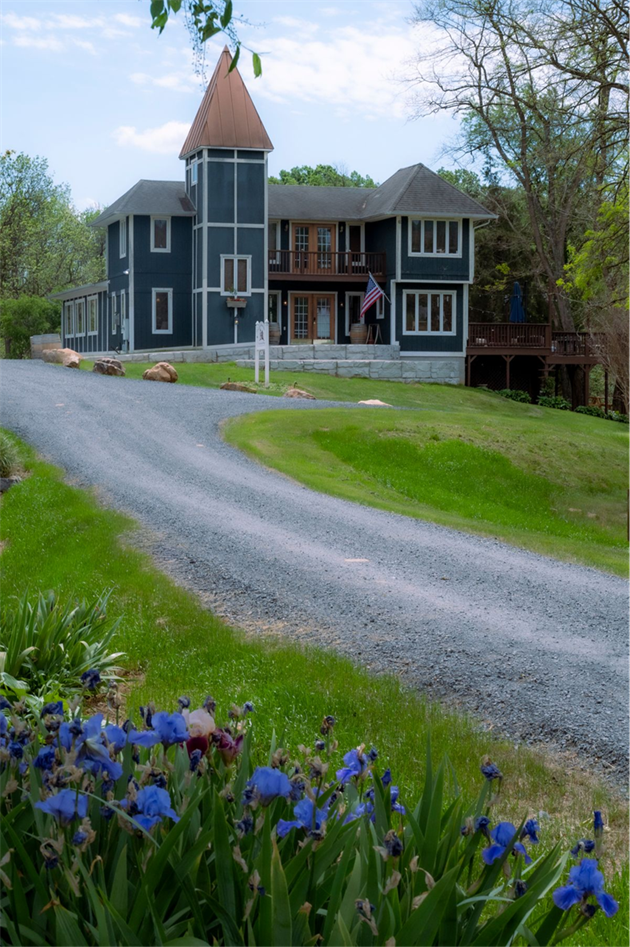
Figure 3. A completed residential gravel driveway with a defined route and maintained edges.
Frequently asked questions
How much gravel for a driveway?
Multiply length, average width and compacted depth; convert volume, apply supplier density and add allowance.
What driveway gravel depth should I use?
Soil, traffic, drainage, frost, grading and local standards determine layer depth.
How many cubic yards of gravel for driveway work?
Divide cubic feet by 27, or calculate cubic metres for metric orders.
How does a gravel driveway calculator estimate tons?
Multiply volume by supplier bulk density; material and moisture change weight.
Should I add extra gravel for compaction?
Base allowance on irregularity, compaction, trimming and supplier advice.
Is pea gravel suitable for driveways?
It drains attractively, but rounded particles migrate, so use edging and a stable base.
How do I calculate a curved driveway?
Split it into simple shapes or segments, calculate each volume and total results.
What does a driveway gravel cost calculator include?
Include material, allowance, delivery, taxes, preparation, equipment, edging and labour.
Can the delivery truck tip directly on the driveway?
Ask the supplier or driver after checking clearance, turning, slope, ground strength and tipping space.
Internal-link recommendations
- Link gravel calculator to the general tool for other estimates.
- Create an installation guide and link gravel driveway layers to preparation details.
- Create a pricing guide and link driveway gravel cost calculator to delivery variables.
Conclusion
2 Starting measurements of depth of layers and density depending on products. Quote driveway supplies using calculator results and then ensure preparation, compaction, drainage, edging and access is validated. Recalculate any layout changes, material changes and needs changes.