What Is a Chronological Age Calculator?
A chronological age calculator is a digital tool that computes the precise amount of time that has passed from a person’s date of birth to any given date — typically today’s date. Unlike biological age, which measures how your body functions at a cellular level, chronological age is simply the number of years, months, weeks, and days someone has been alive.
This tool is essential across multiple fields. Speech-language pathologists use it for standardized assessments like CELF-5 and PPVT-5. School administrators rely on it for enrollment eligibility and grade placement. Psychologists and occupational therapists need it for developmental evaluations. Even parents use it to track their child’s growth milestones.
Here’s what a typical chronological age calculator interface looks like:
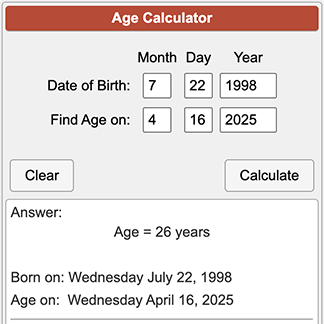
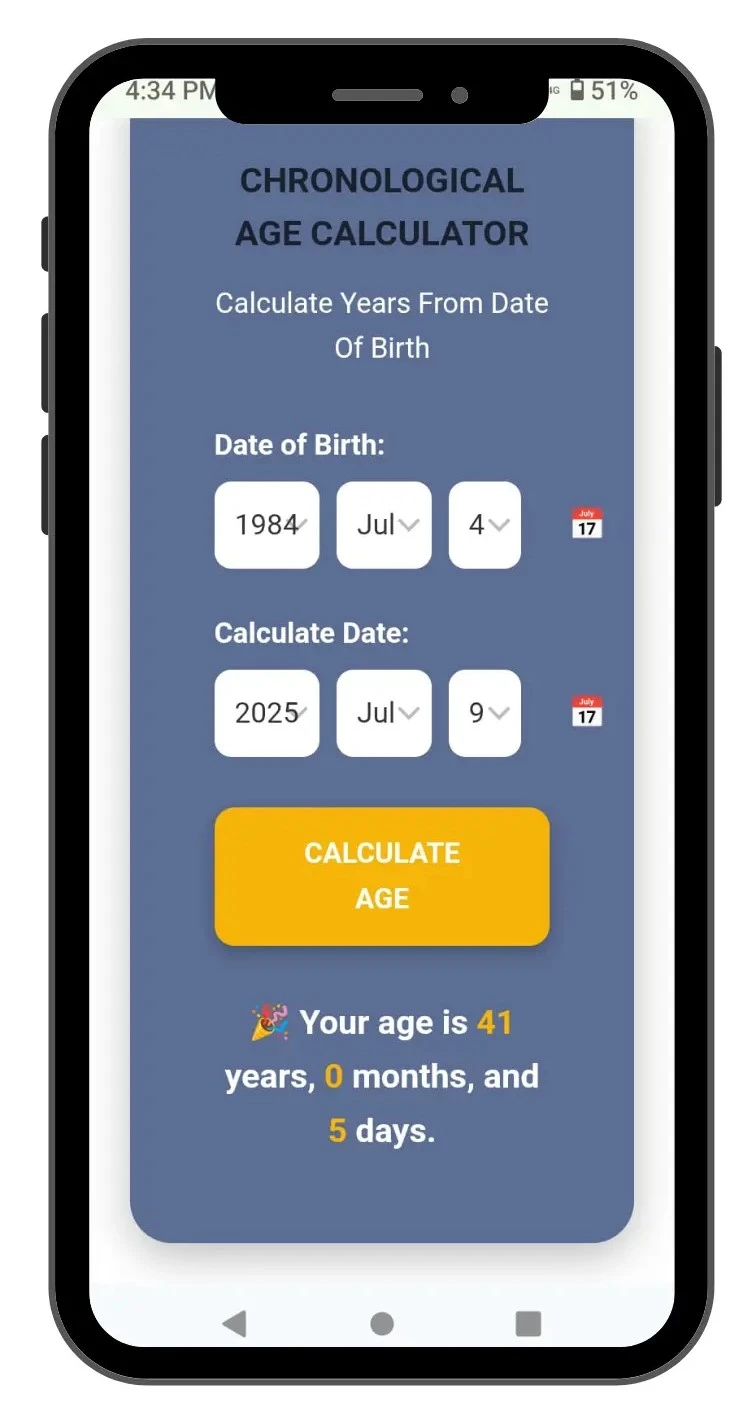
Why Manual Age Calculation Is Deceptively Complex
Calculating chronological age manually seems simple — just subtract the birth year from the current year. But this approach fails to account for critical variables that make precise calculation surprisingly tricky.
Variable Month Lengths
January has 31 days. February has 28 — or 29 in leap years. April, June, September, and November have 30 days. A basic subtraction ignores these differences entirely, leading to cumulative errors over time.
Leap Year Complications
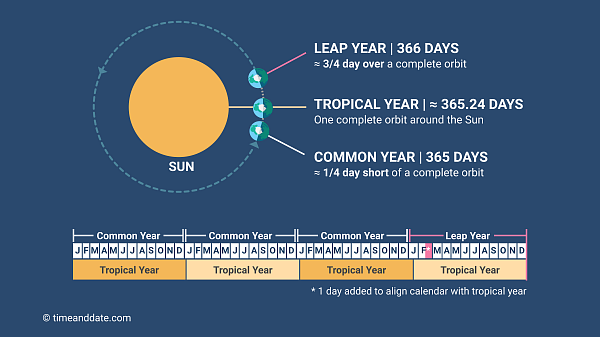
Every four years, February gains an extra day. But there’s an exception: years divisible by 100 are not leap years, unless they’re also divisible by 400. So 1900 was not a leap year, but 2000 was.
Here’s how leap years work visually:
Borrowing Rules
When the birth day is larger than the test day, or the birth month is larger than the test month, you must “borrow” from the next higher unit — similar to subtraction in arithmetic. This is where most manual calculations go wrong.
How to Calculate Chronological Age: The Step-by-Step Formula
For professionals who need to verify their work, here’s the manual chronological age formula:
Step 1: Write Dates Backwards
Format both dates as year-month-day:
- Test date: 2026 07 14
- Birth date: 2015 03 28
Step 2: Subtract Days
14 − 28 = −14 (negative, so borrow 30 days from the month)
- New day: 30 + 14 − 28 = 16
- Month becomes: 07 − 1 = 06
Step 3: Subtract Months
06 − 03 = 03 (no borrowing needed)
Step 4: Subtract Years
2026 − 2015 = 11
Result: 11 years, 3 months, 16 days
When Birth Month Exceeds Test Month
If the birth month is larger than the test month, borrow 12 months from the year and reduce the year count by one.
Key Features of a Professional Chronological Age Calculator
When choosing a chronological age calculator, look for these essential features:
| Feature | Why It Matters |
|---|---|
| Leap year awareness | Prevents errors for February 29 birthdays |
| Exact month lengths | Uses 28/30/31 days, not approximations |
| Borrow method logic | Matches professional standards (Pearson, Brigance) |
| Test date flexibility | Calculate age as of any past or future date |
| Multiple output formats | Years-months-days, total days, total weeks |
| Privacy protection | Browser-based, no data sent to servers |
Who Uses Chronological Age Calculators?
Speech-Language Pathologists (SLPs)
SLPs calculate chronological age for every assessment. Tools like CELF-5, PPVT-5, EVT-3, and GFTA-3 all require exact age at time of testing. An incorrect age means using the wrong norms — potentially leading to misdiagnosis.
School Administrators
Schools use chronological age calculators for:
- Kindergarten enrollment cutoffs
- Grade placement decisions
- Special education eligibility (IEP documentation)
- Gifted program qualification
Psychologists & Occupational Therapists
Standardized psychological and OT assessments require precise age calculations. The Brigance IED-III, ASQ-3, and various cognitive tests all depend on accurate chronological age input.
Parents & General Public
Parents track developmental milestones, calculate school readiness, or simply satisfy curiosity about exact age in days, weeks, or hours.
FAQ: Chronological Age Calculator
Q: What is the chronological age formula? A: Test Date minus Birth Date equals Years, Months, Days. Apply borrowing rules when birth day or month exceeds test day or month.
Q: Can I calculate age for a past or future date? A: Yes. Enter any reference date to calculate age as of that specific day — useful for report writing, eligibility checks, and planning.
Q: How do leap years affect age calculation? A: A leap year adds one day to February. For someone born February 29, age on March 1 of a non-leap year is calculated as 0 years, 0 months, 1 day.
Q: Is my data safe with online age calculators? A: Reputable calculators run entirely in the browser with no server communication. Always verify the tool’s privacy policy before entering sensitive dates.
Q: What’s the difference between chronological age and biological age? A: Chronological age is time since birth. Biological age reflects your body’s functional condition based on health markers, lifestyle, and genetics.
Conclusion
A chronological age calculator eliminates the complexity and error-prone nature of manual date arithmetic. Whether you’re a speech-language pathologist writing assessment reports, a school administrator verifying enrollment eligibility, or a parent tracking your child’s development, accurate age calculation is foundational. Choose a tool that handles leap years, exact month lengths, and borrowing rules correctly — your assessments and decisions depend on it.