If you are planning a trip to Tokyo, moving to Osaka for work, or simply curious about how alcohol laws work abroad, understanding the Japan legal drinking age is one of the first things you should look into. Japan is famous for its vibrant nightlife, izakayas, whisky bars, and seasonal drinking traditions like hanami, but all of that fun sits on top of a very clear legal framework. Knowing the Japan legal drinking age before you land will save you from awkward moments at the convenience store counter and keep you on the right side of the law throughout your stay.
What Is the Japan Legal Drinking Age?
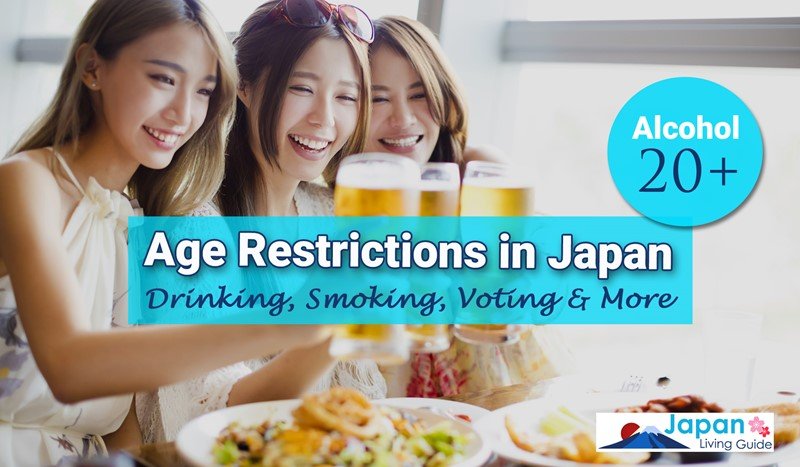
The Japan legal drinking age is 20 years old, and this rule applies uniformly across every prefecture, from Hokkaido to Okinawa. There are no regional exceptions, no special tourist allowances, and no loopholes based on your home country’s rules. Whether you are a lifelong resident, an exchange student, or a first-time visitor, the Japan legal drinking age treats everyone exactly the same. This nationwide consistency is one of the clearest features of Japanese alcohol regulation, and it removes any ambiguity about where or when the rule applies.
Why the Age Is Set at 20
Many travelers are surprised to learn that Japan lowered its general age of adulthood from 20 to 18 back in April 2022. That change affected voting rights, marriage eligibility, and contract signing, but it did not touch the Japan legal drinking age. Lawmakers deliberately kept alcohol and tobacco restrictions at 20, citing public health concerns and a desire to delay early exposure to alcohol. The result is a split system: an 18-year-old in Japan is legally an adult in most respects, yet still cannot legally buy a beer. This distinction is exactly why so many visitors get confused about the Japan legal drinking age before they arrive.
How Age Verification Works in Practice
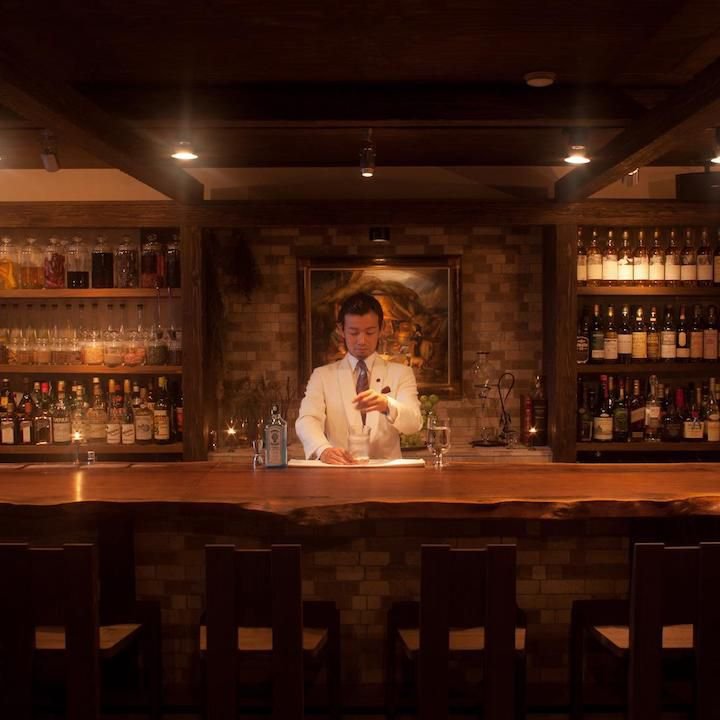
Enforcement of the Japan legal drinking age happens mostly at the point of sale rather than through aggressive policing of individuals. Convenience stores such as 7-Eleven, FamilyMart, and Lawson require customers to tap a touchscreen confirming they are 20 or older before completing an alcohol purchase. Staff may ask for a passport or residence card if you look younger, though many self-checkout machines rarely request physical identification. Vending machines that dispense alcohol have also become stricter, with some requiring ID cards, digital verification apps, or facial recognition before a purchase goes through. This layered system keeps the Japan legal drinking age enforceable even in a country where alcohol is sold almost everywhere, day and night.
Public Drinking and Cultural Norms
Unlike many Western countries, Japan does not broadly criminalize drinking in public spaces. You will often see people enjoying a can of beer on a park bench, along a riverside path, or during a hanami cherry blossom picnic. This relaxed approach to public consumption exists alongside the strict Japan legal drinking age, meaning the freedom to drink outdoors is only extended to those who meet the minimum age requirement. Some train stations, shrines, temples, and municipal parks post explicit signage prohibiting alcohol, so it is worth paying attention to local notices even once you are past the legal threshold.
Penalties for Breaking the Law
The consequences tied to the Japan legal drinking age fall mostly on the adults who supply alcohol rather than on underage individuals themselves. A shopkeeper, bartender, or even a friend who knowingly provides alcohol to someone under 20 can face fines or legal trouble. For tourists specifically, violating the Japan legal drinking age can complicate a visa status or lead to deportation in more serious cases, so it is not a rule to test casually. Driving under the influence carries even harsher penalties, with blood alcohol limits set extremely low and potential prison sentences for violations, regardless of age.
How Japan’s Rule Compares Internationally
Context helps put the Japan legal drinking age into perspective. The United States sets its national drinking age at 21, making Japan’s threshold of 20 slightly more permissive by comparison. Meanwhile, countries like South Korea allow drinking at 19, and several European nations such as Germany permit beer and wine consumption as young as 16 with parental supervision. Sitting between the strict American model and the more relaxed European approach, the Japan legal drinking age represents a kind of middle ground shaped by the country’s own history and public health priorities.
A Law With Deep Roots
The legal foundation behind the Japan legal drinking age dates back over a century. The Act on Prohibition of Drinking by Minors was first enacted in 1922, and its core provision—the minimum age of 20—has remained essentially unchanged ever since. Even through major social reforms following World War II and the 2022 adjustment to the age of adulthood, the Japan legal drinking age stayed fixed. This longevity reflects how deeply the rule is embedded in Japanese regulatory culture, and it is unlikely to shift again anytime soon.
Practical Tips for Travelers
If you are visiting Japan and want to enjoy its drinking culture responsibly, keep these points in mind regarding the Japan legal drinking age:
- 🛂 Carry a passport or official ID at all times, since staff can request verification.
- 🏮 Understand that bars, izakayas, and konbini all enforce the same national standard.
- 🍶 Respect posted signage in parks, shrines, and stations where alcohol may be restricted.
- 🚕 Plan transportation in advance, since drink-driving laws are strictly enforced.
- 🎌 Remember that being an adult at 18 does not exempt you from the Japan legal drinking age of 20.
Final Thoughts
Understanding the Japan legal drinking age is essential for anyone hoping to experience Japan’s nightlife, festivals, and social traditions without running into legal trouble. The rule is simple on paper—20 years old, no exceptions—but the surrounding culture of ID checks, digital verification, and respectful public consumption makes it worth understanding in detail before you go. Once you know the Japan legal drinking age, you can focus on what really matters: enjoying sake tastings in Kyoto, evening beers in Osaka, or a quiet drink under the cherry blossoms in Tokyo.