A chronological age calculator for kids is an indispensable tool for parents, educators, pediatricians, and developmental specialists who need to track children’s growth and development accurately. Unlike simple age rounding, a precise chronological age calculator for kids provides the exact age of a child in years, months, and days, which is critical for comparing developmental milestones, selecting appropriate educational materials, and conducting standardized assessments. This article explores why chronological age matters so much for children and how professionals use these calculations in their daily work.
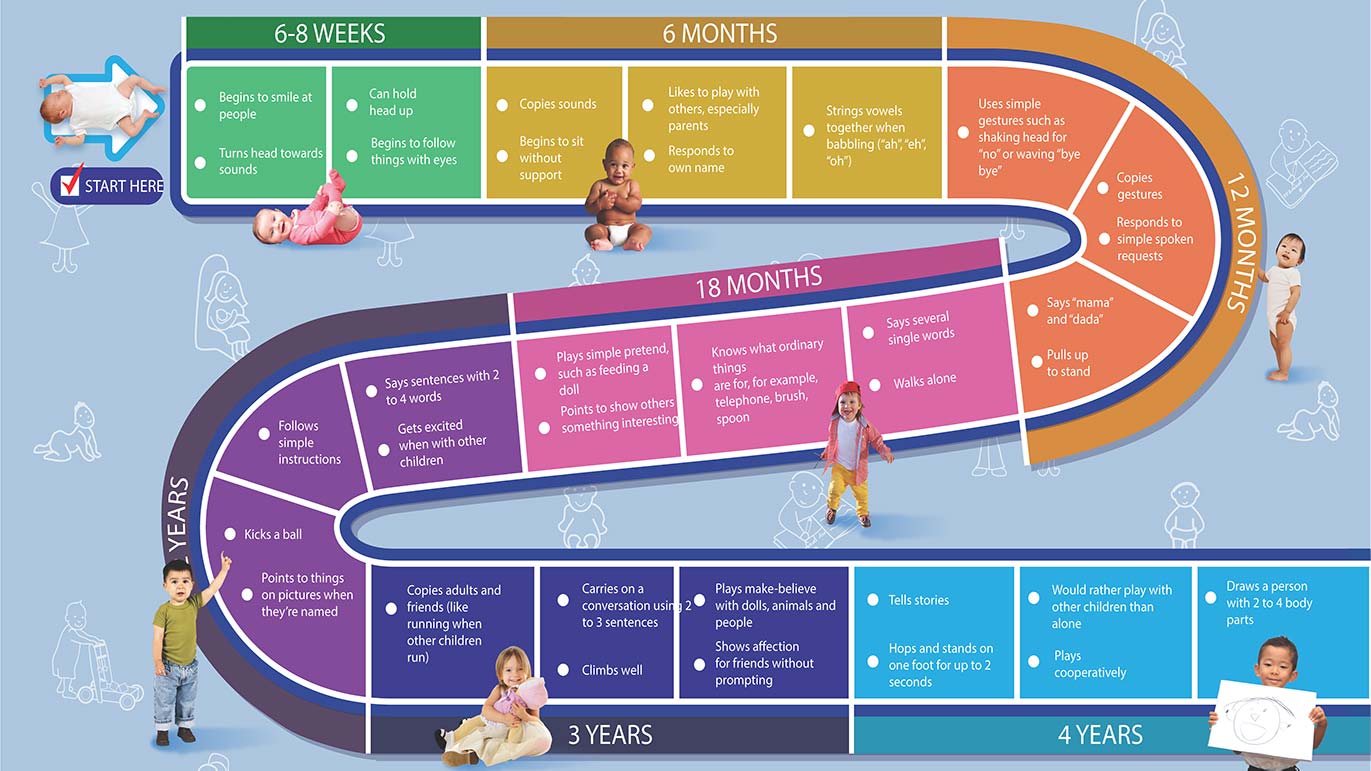
In child development, even a few months can make a significant difference. A child who is 4 years and 2 months old has had substantially more time to develop language, motor skills, and social abilities than a child who just turned 4. When evaluating whether a child is meeting developmental milestones, professionals must know the exact chronological age to make fair and accurate comparisons. Milestone charts are organized by age ranges, and using an approximate age can lead to misidentification of delays or premature concerns about typical variations in development.
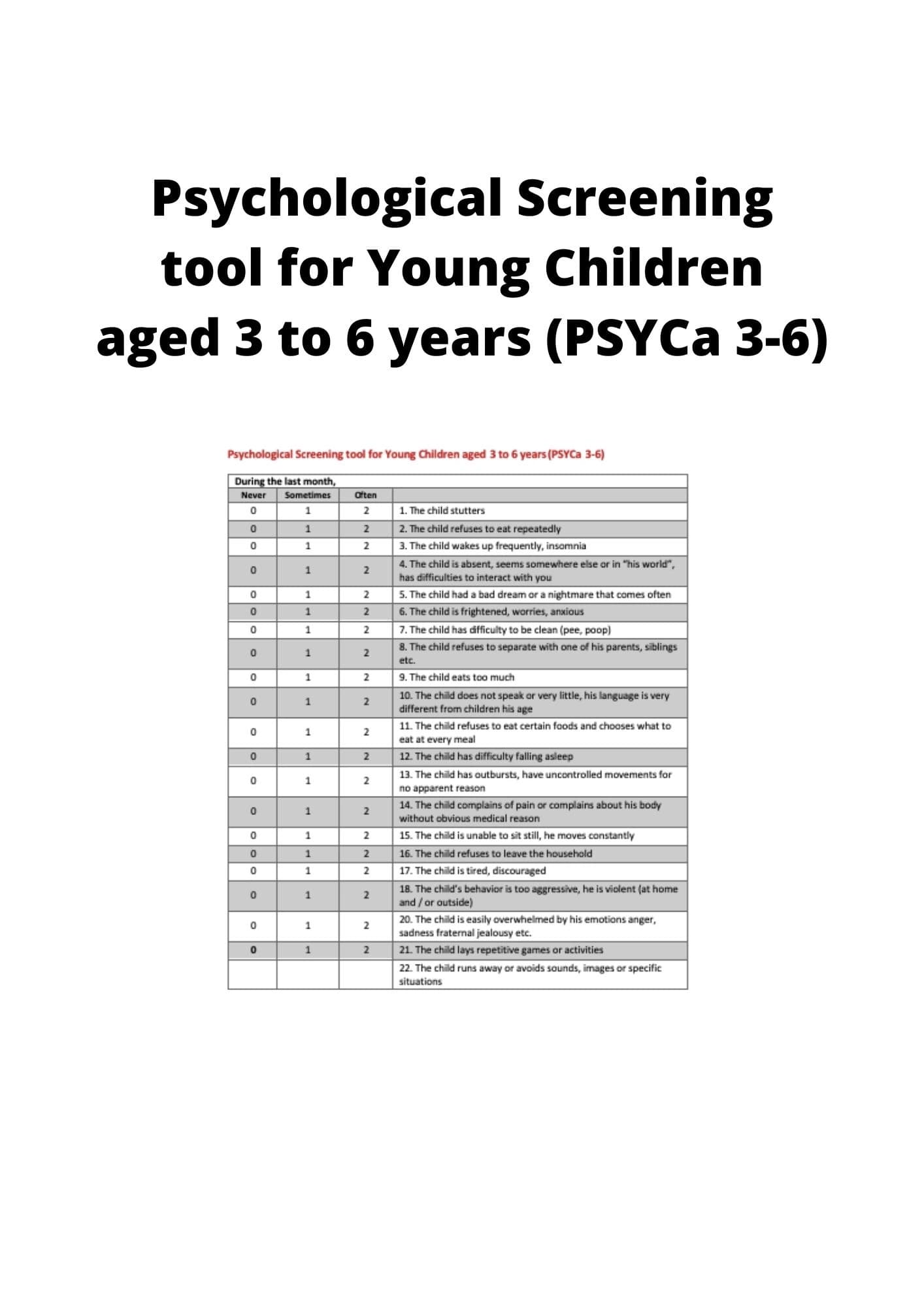
Speech-language pathologists rely heavily on chronological age calculators for their assessments. Standardized tests like the CELF-5, PPVT-5, and GFTA-3 require the child’s exact age on the testing date to select appropriate scoring norms. These normative tables are often organized in narrow age bands, sometimes as small as three-month intervals. An incorrect age calculation can place a child in the wrong normative group, leading to inaccurate standard scores and potentially misdiagnosing a speech or language disorder. The American Speech-Language-Hearing Association emphasizes that accurate chronological age calculation is foundational to valid assessment results.
School psychologists and special education teams use chronological age calculators to determine eligibility for services under the Individuals with Disabilities Education Act. Age calculations influence decisions about grade placement, gifted program eligibility, and the timing of developmental screenings. For children born prematurely, professionals may also calculate corrected age, which adjusts the chronological age to account for early birth. Corrected age is typically used for developmental assessments until the child reaches 24 months of age, after which chronological age becomes the standard reference.
Pediatricians track chronological age meticulously for vaccination schedules, growth chart plotting, and developmental surveillance. The Centers for Disease Control and Prevention provides detailed milestone checklists organized by exact age ranges, and pediatricians use these tools during well-child visits. Knowing whether a child is 18 months or 20 months old can determine whether certain screening questions are appropriate and whether specific developmental achievements are expected. A reliable chronological age calculator for kids ensures that these clinical decisions are based on accurate information.
For parents, understanding how to calculate chronological age helps them engage more effectively with their child’s healthcare and education. When filling out forms, scheduling appointments, or discussing concerns with professionals, providing the exact age rather than a rounded number leads to more precise guidance. Parents of children with birthdays near school enrollment cutoffs often face difficult decisions about when to start kindergarten, and accurate age calculation is essential for making informed choices about school readiness.
The format used to express chronological age in professional settings follows a specific convention. Rather than writing “7 years, 4 months, and 12 days,” professionals use the Y;M;D format, which would appear as 7;04;12. This standardized notation appears on assessment forms, Individualized Education Programs, and medical records. When using a chronological age calculator for kids, look for tools that output results in this professional format to ensure compatibility with official documentation requirements.
Digital chronological age calculators have largely replaced manual calculation in professional practice, and for good reason. Manual subtraction of dates, especially when borrowing across month and year boundaries, is prone to error. Busy clinicians assessing multiple children in a single day cannot afford calculation mistakes that could affect diagnostic accuracy. Online calculators handle leap years, varying month lengths, and complex borrowing scenarios automatically, producing reliable results in seconds.
When selecting a chronological age calculator for kids for professional use, verify that it handles all calendar edge cases correctly. The calculator should account for leap years, including birthdays on February 29. It should also handle dates at year boundaries, such as calculating age from December 31 to January 1. Some calculators offer additional features like corrected age calculation for premature infants, cumulative age in months, and countdown to the next birthday. These extras can be valuable depending on your specific professional needs.
The role of chronological age calculation in early childhood education deserves special attention. Preschools and daycare centers group children by age to ensure developmentally appropriate activities. A child who is 3 years and 11 months has very different capabilities than a child who just turned 3, and teachers use exact age to plan curricula and set expectations. Accurate chronological age calculation helps educators avoid the common mistake of expecting too much from younger children or underestimating the abilities of older children within the same classroom.
In special education, chronological age calculation takes on added significance. The Individuals with Disabilities Education Act requires that children be evaluated within specific timeframes relative to their age. Early intervention services for infants and toddlers must begin before the child reaches age 3, making precise age tracking essential for compliance. Transition planning from early intervention to preschool services also depends on accurate age calculation to ensure seamless service delivery.
International adoption presents unique challenges for chronological age calculation. Children adopted from abroad may have incomplete or uncertain birth records. In some cases, adoptive parents and professionals must estimate chronological age based on developmental assessment and physical examination. These estimates have important implications for school placement, medical care, and legal documentation. A thorough understanding of chronological age calculation helps professionals navigate these complex cases with sensitivity and accuracy, ensuring that every child receives appropriate services regardless of their background.
In conclusion, a chronological age calculator for kids is far more than a simple convenience. It is a critical tool that underpins accurate developmental assessment, appropriate educational placement, and effective healthcare delivery. Whether you are a professional working with children or a parent tracking your child’s growth, using a precise chronological age calculator for kids ensures that every decision is based on the most accurate age information available.