When people research japan legal age drinking rules, one of the first things that comes up is how Japan’s minimum age of 20 stacks up against other countries. It turns out Japan sits in a fairly unique spot globally — stricter than most of Europe, the same as a few other nations, and notably different in how it enforces the rule. This article walks through those comparisons in detail.
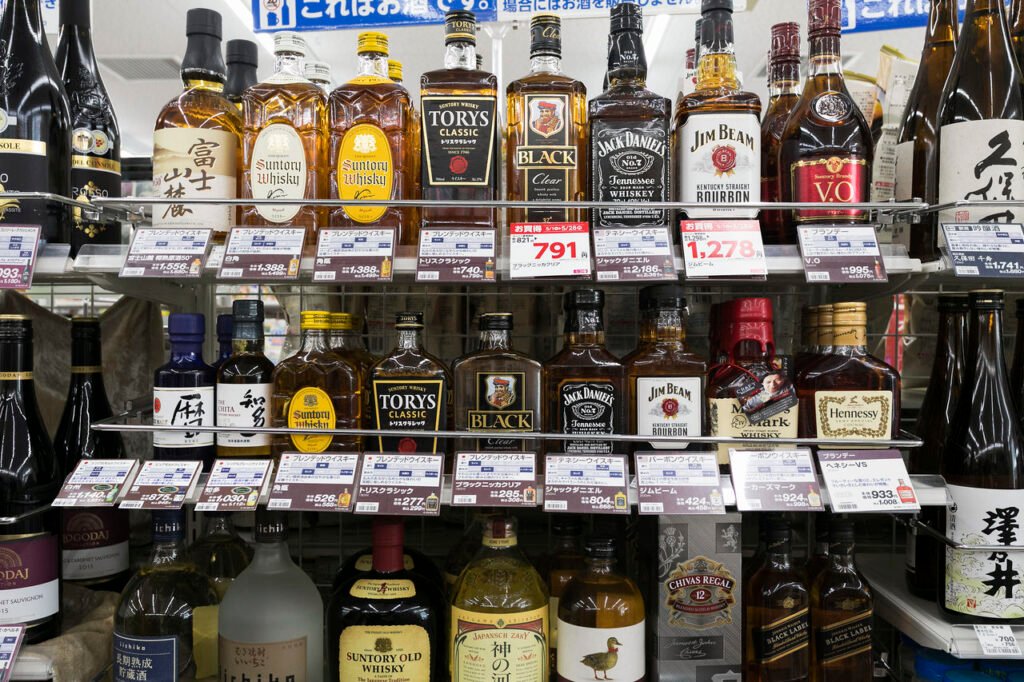
Japan’s Legal Drinking Age: 20 Years Old
To start with the baseline: Japan’s legal drinking age is 20, applying uniformly to beer, wine, sake, and spirits nationwide. This rule has stayed fixed even after Japan’s broader legal adult age dropped to 18 in 2022 — lawmakers specifically kept the drinking age (along with the smoking and gambling age) unchanged due to public health considerations.
How Japan Compares to the United States
The United States sets its national drinking age at 21, making it stricter than Japan’s 20-year minimum. This comparison often surprises American travelers heading to Japan, since it means someone who isn’t legally allowed to drink at home in the US could legally drink in Japan at 20 — a one-year gap that trips up plenty of first-time visitors trying to plan their trip around their birthday.
How Japan Compares to Europe
Much of Europe sets its drinking age lower than Japan’s. Countries like Germany and Austria allow drinking beer and wine at 16, with a higher threshold of 18 typically applied to spirits. Most of the rest of Europe, including the UK, France, and Italy, sets a general drinking age of 18 — two years younger than Japan’s requirement.
This makes Japan noticeably stricter than the majority of European countries, despite Japan’s broader legal adulthood age (18) actually matching many of these same nations.
How Japan Compares to Canada and Mexico
Canada doesn’t have one single national drinking age — it varies by province. Most provinces set the minimum at 19, while Alberta, Manitoba, and Quebec allow drinking at 18. That means Japan’s age of 20 is stricter than virtually every Canadian province.
Mexico, meanwhile, applies a uniform national drinking age of 18 across all its states, again making Japan two years stricter by comparison.
How Japan Compares to Its Neighbors
Within Asia, drinking age laws vary considerably by country, but Japan’s 20-year threshold puts it on the stricter end regionally, aligning it more closely with a small number of countries that also use 20 as their standard, rather than the more common 18-year benchmark seen elsewhere in the region.
Why the Comparison Isn’t Just About the Number
A key nuance that often gets missed in “japan legal age drinking” comparisons is enforcement style, not just the age threshold itself. In many Western countries, ID checks are strict, consistent, and often required at nearly every point of sale. In Japan, enforcement can look more relaxed on the surface — some convenience stores rely on a simple touchscreen confirmation rather than a manual ID check — even though the underlying law carries real legal weight and meaningful penalties for violations.
This creates an interesting contrast: Japan’s drinking age is stricter on paper than most of Europe, but its everyday enforcement can feel more casual than the consistently strict ID culture found in the United States.
Global Drinking Age Comparison Table
| Country/Region | Legal Drinking Age |
|---|---|
| Japan | 20 |
| United States | 21 |
| United Kingdom | 18 |
| Germany/Austria (beer & wine) | 16 |
| Canada (most provinces) | 19 |
| Canada (Alberta, Manitoba, Quebec) | 18 |
| Mexico | 18 |
What This Means for Travelers
If you’re traveling to Japan from a country with a lower drinking age, remember that Japan’s 20-year rule applies to you regardless of what’s legal back home. On the other hand, if you’re a 20-year-old American traveler, Japan is actually one of the few major destinations where you can legally drink a full year before you’d be able to back home.
Final Thoughts
Comparing japan legal age drinking rules to the rest of the world shows just how much variation exists globally — from countries allowing beer at 16 to others holding firm at 21. Japan’s position at 20, paired with its distinct enforcement style, makes it a genuinely unique case worth understanding before you travel, whether you’re coming from a stricter system like the US or a more lenient one like much of Europe.