Drinking in Japan is far more than consuming alcohol — it is a deeply embedded social ritual that shapes business relationships, family bonds, and community life. The Japan legal drinking age of 20 serves as a gateway into a world of customs, traditions, and unspoken rules that define Japanese society.
For visitors and new residents, understanding Japan drinking culture is as important as knowing the legal age itself.
Izakaya: The Heart of Japanese Drinking
The izakaya is Japan’s answer to the pub — a casual restaurant-bar where friends, colleagues, and strangers gather to drink, eat, and socialize. Izakayas serve:
- Beer (ビール) — usually Asahi, Kirin, Sapporo, or Suntory
- Sake (日本酒) — rice wine served hot or cold
- Shochu (焼酎) — distilled spirit, often mixed with water or tea
- Chu-hi (チューハイ) — canned cocktails in endless flavors
- Highballs (ハイボール) — whisky and soda, currently trending
- Umeshu (梅酒) — sweet plum wine
Here’s what a traditional izakaya experience looks like:
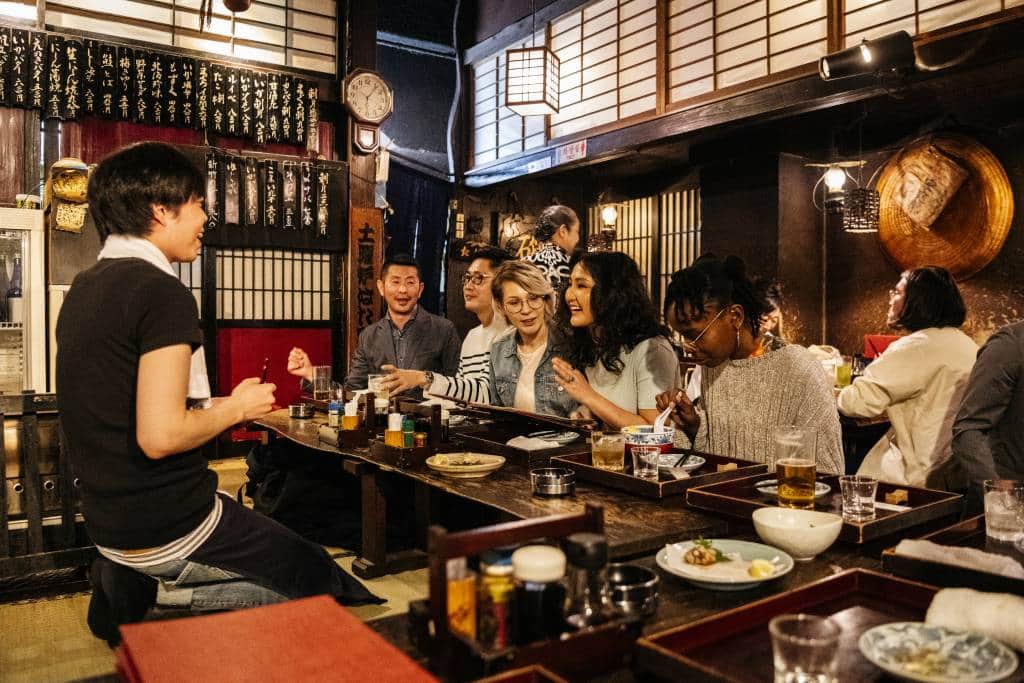

Izakayas range from tiny neighborhood joints with just a few counter seats to massive chains like Torikizoku and Watami. The atmosphere is loud, convivial, and deliberately informal — a space where hierarchy dissolves and genuine connection happens.
Nomikai: The Obligatory Work Drinking Party
Nomikai (飲み会) translates literally to “drinking party,” but it represents something far more significant in Japanese corporate culture. These after-work gatherings are often considered semi-mandatory and serve critical social functions:
- Building team cohesion outside hierarchical workplace structures
- Allowing junior employees to speak freely with superiors
- Celebrating milestones — project completions, new hires, retirements
- Apologizing — sometimes a nomikai is where formal apologies are made and accepted
The second round of drinking, called nijikai (二次会), often moves to a different venue like karaoke or a bar. A third round, sanjikai (三次会), is for the hardcore drinkers.
Hanami: Drinking Under Cherry Blossoms
Hanami (花見) — cherry blossom viewing — is Japan’s most beloved spring tradition, and alcohol is central to the experience. Groups gather in parks with blue tarps, picnic foods, and cases of beer or sake to celebrate the fleeting beauty of the blossoms.
This tradition highlights Japan’s relaxed public drinking laws. It is perfectly legal — and culturally expected — to drink openly in parks during hanami season. The atmosphere is festive, with companies reserving prime spots days in advance and parties continuing late into the night.
Japanese Drinking Etiquette: Essential Rules
Never Pour Your Own Drink
The most important rule in Japanese drinking culture is that you never pour your own drink. You pour for others, and they pour for you. This mutual service creates a bond of reciprocity and attentiveness.
Use Two Hands When Receiving
When someone pours your drink, hold the glass with one hand and support it from below with the other — a gesture of respect and gratitude.
The Kanpai Toast
Every drinking session begins with kanpai (乾杯) — “dry the glass.” Everyone raises their drinks together, makes eye contact, and takes the first sip simultaneously. Starting to drink before kanpai is considered rude.
Seniority Matters
In formal settings, junior employees should pour for senior employees first. Women traditionally pour for men in very conservative environments, though this is changing rapidly among younger generations.
Say “Otsukaresama”
At the end of a nomikai, everyone says “otsukaresama deshita” (お疲れ様でした) — roughly “thank you for your hard work.” It acknowledges the effort everyone put in that day.
Japan Nightlife: Shibuya, Shinjuku & Beyond
Tokyo’s nightlife districts offer endless drinking experiences:
- Shibuya — youth culture, clubs, and trendy bars
- Shinjuku — izakaya alleys like Omoide Yokocho (Memory Lane)
- Golden Gai — tiny bars seating 5-10 people
- Roppongi — international crowd, upscale clubs
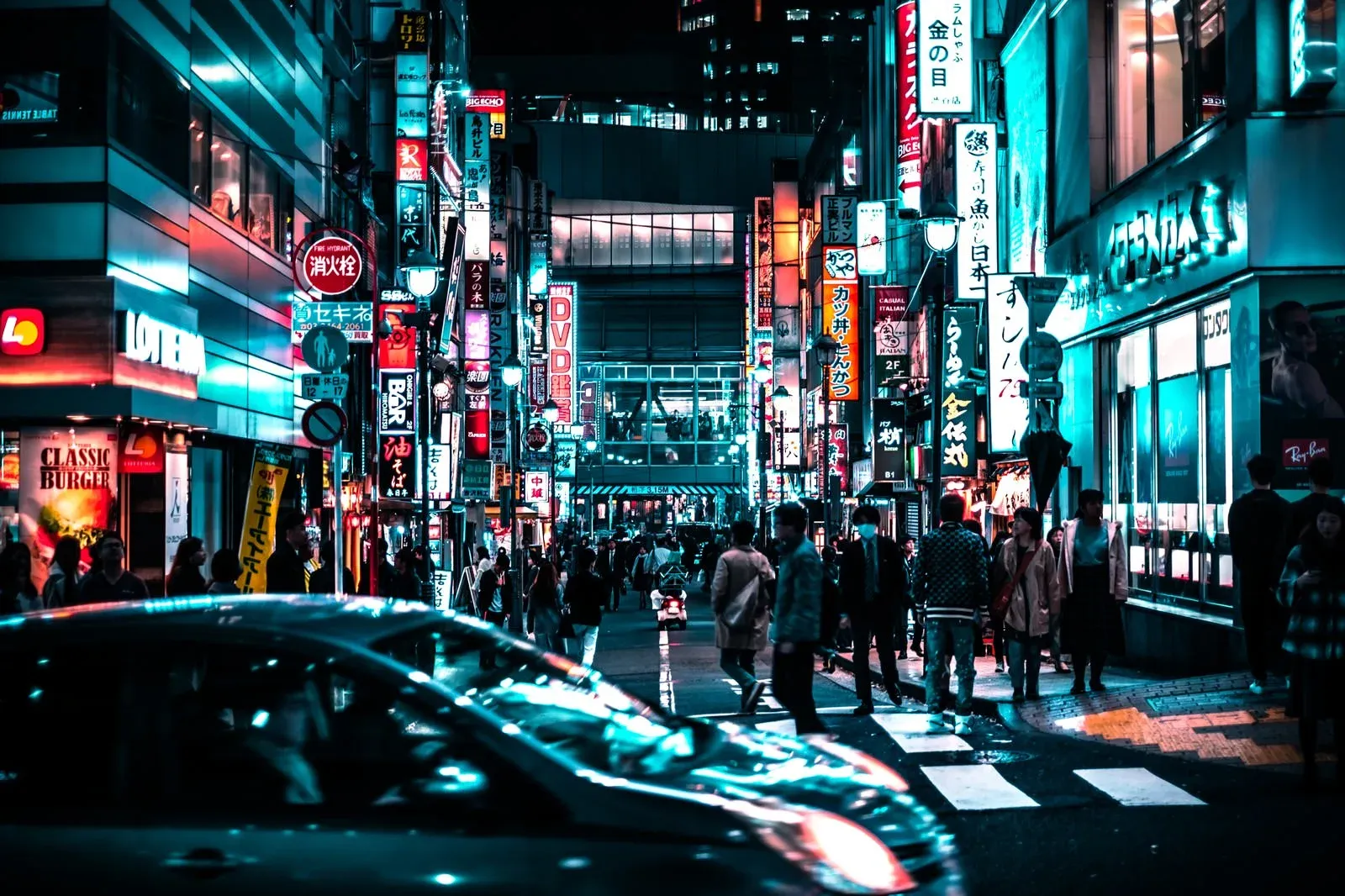
Here’s Tokyo’s iconic Shibuya nightlife:
FAQ: Japan Drinking Culture
Q: Do I have to drink alcohol at a nomikai? A: No, but it can be socially awkward. Many Japanese people now opt for non-alcoholic beer or soft drinks without issue.
Q: Is it rude to refuse a drink in Japan? A: In casual settings, no. In business nomikai, it requires more social navigation. Non-alcoholic alternatives are increasingly accepted.
Q: Can women go to izakayas alone? A: Absolutely. While some traditional izakayas cater to salarymen, most welcome everyone.
Q: What is the drinking etiquette for tourists? A: Follow the basic rules: don’t pour your own drink, participate in kanpai, and use two hands when receiving. Locals appreciate the effort.
Conclusion
Japan drinking culture is a fascinating blend of ancient tradition and modern social dynamics. From the intimate izakaya to the obligatory nomikai, from hanami picnics to Golden Gai bar-hopping, alcohol serves as a social lubricant that breaks down barriers and builds connections. Understanding these customs — alongside the legal drinking age of 20 — transforms a simple night out into a genuine cultural immersion.