Understanding japan legal age drinking laws is one thing — understanding how they’re actually enforced day to day is another. Japan’s legal drinking age is 20, but the way that rule gets checked varies a lot depending on where you are: a convenience store, an izakaya, a vending machine, or a nightclub. This guide breaks down exactly what to expect at each type of venue, plus which forms of ID actually work.
The Legal Standard: 20 Years Old, No Exceptions
Before getting into enforcement details, it’s worth restating the baseline: Japan’s legal drinking age is 20, and it applies to everyone regardless of nationality or where you’re visiting from. This is set under the Minor Drinking Prohibition Act and applies the same way in Tokyo, Osaka, Kyoto, or anywhere else in the country.
Convenience Stores: The Touchscreen Confirmation System
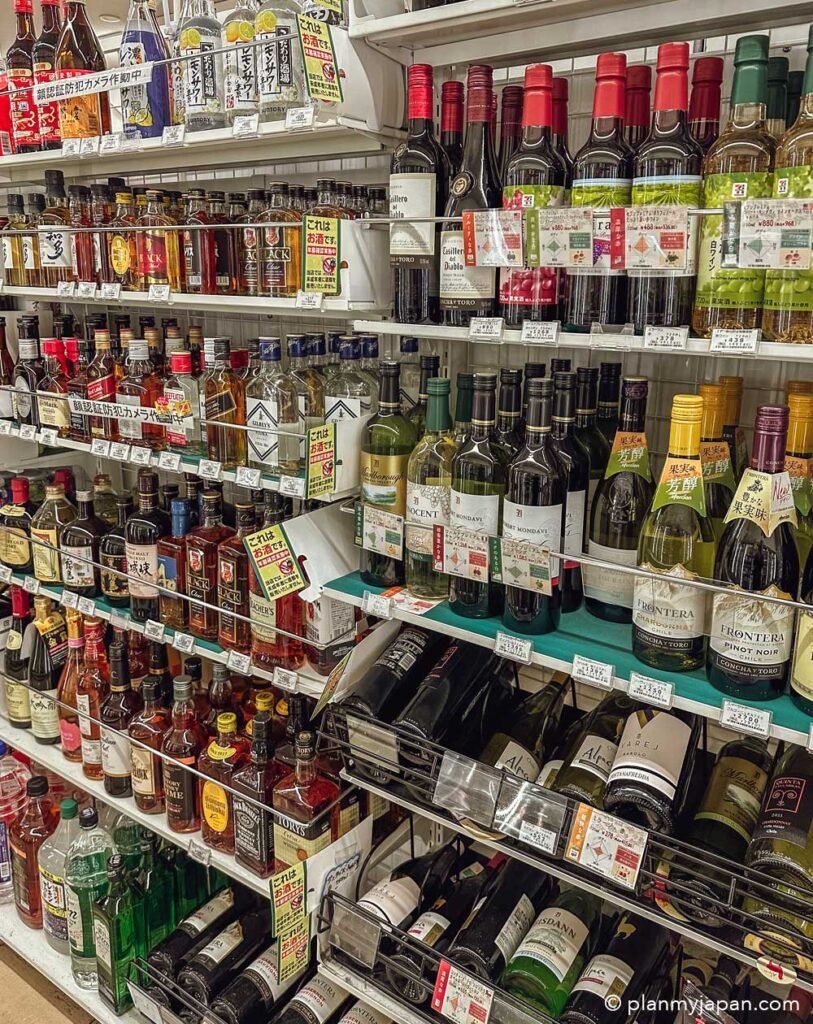
Japan’s convenience stores (konbini) are often where visitors first encounter the country’s slightly unusual approach to age verification. Instead of a clerk manually checking ID for every alcohol purchase, many stores use a self-confirmation touchscreen that asks customers to confirm they are 20 years of age or older before completing the sale.
This might feel like a formality, but it’s not just a suggestion — falsely confirming your age on that screen is treated as a legal violation. Clerks may still ask for physical ID if you look notably younger than 20, particularly in more cautious stores or during late-night hours when enforcement tends to be stricter.
Bars and Izakayas: More Direct ID Checks
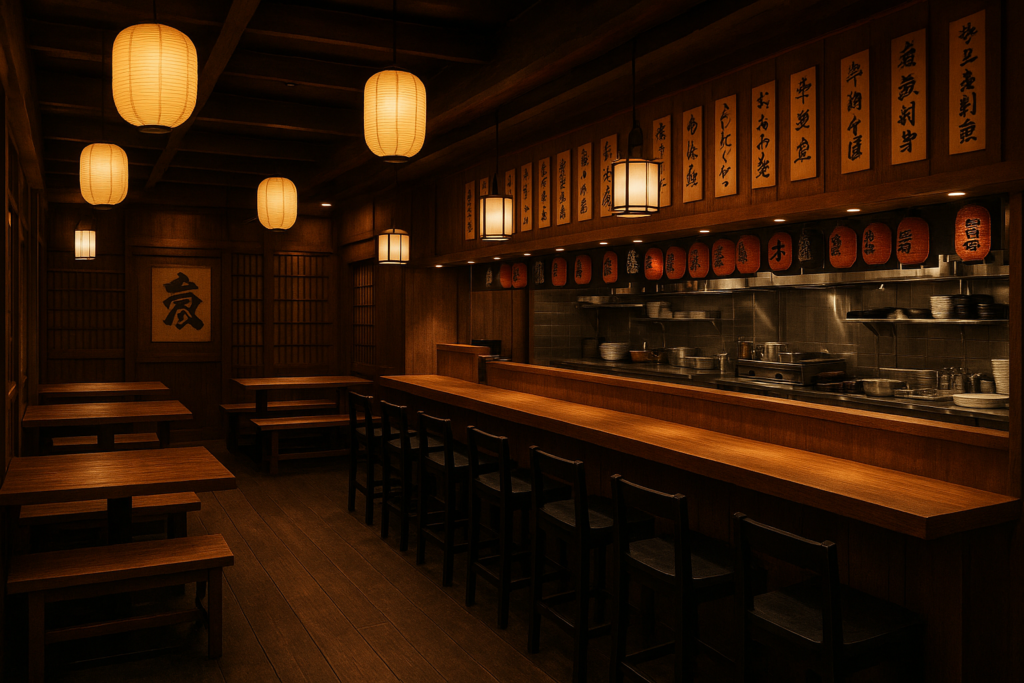
Traditional Japanese pubs, known as izakayas, along with standard bars, tend to take a more hands-on approach than convenience stores. Staff commonly ask for ID if a customer appears to be under 25 — an informal buffer zone many venues use to avoid borderline judgment calls. Acceptable ID typically includes:
- A passport (standard for tourists)
- A Japanese driver’s license
- A residence card (zairyu card) for foreign residents
- A student ID, in some cases, though this is less consistently accepted
Vending Machines: Age-Locked Alcohol Sales
Japan is well known internationally for its vending machine culture, and alcohol vending machines still exist in some areas, particularly rural regions. However, most modern alcohol vending machines require some form of age verification before dispensing a purchase — often through an ID card scan or a linked verification system — largely as a response to past concerns about unrestricted underage access.
Restaurants: Inconsistent but Present Enforcement
At restaurants, enforcement of the drinking age can vary more than at bars or convenience stores. Staff generally rely on visual judgment and may not ask for ID unless a customer clearly appears to be a minor. This inconsistency is one reason many long-term residents and frequent visitors recommend simply carrying ID at all times, just in case.
Music Venues and Live Shows: A Special Legal Category
Live music venues in Japan are often legally categorized as “eating and drinking establishments,” which means they can technically allow entry to people of any age, including minors. However, alcohol service within those venues still strictly follows the 20-year-old minimum — meaning a minor could attend a concert but would only be served non-alcoholic drinks if the venue uses a required “one drink” ticket system.
What Happens If Enforcement Catches an Underage Drinker
Japan’s enforcement model is structured differently than many countries — the legal consequences primarily target adults and businesses, not the underage individual caught drinking. Here’s how that typically plays out:
- The business serving or selling alcohol to a minor can face a significant fine per violation, and repeated issues put its liquor license at risk.
- Parents or guardians who are aware of underage drinking and don’t intervene can also be fined.
- Students, particularly international students, may have the situation reported to their school, which can lead to serious consequences given how closely student visas are tied to enrollment status.
Tips for Making Sure You’re Verified Correctly
If you’re planning to drink legally in Japan, a few practical habits will make the process smoother:
- Always carry a passport or residence card, even for casual outings.
- Expect touchscreen confirmations at convenience stores rather than manual ID checks.
- Don’t be surprised by ID requests at bars if you look under 25 — it’s standard practice, not an insult.
- Keep ID accessible at vending machines, since some require scanning before dispensing alcohol.
Final Thoughts
Japan’s approach to enforcing its legal drinking age blends strict underlying law with a somewhat flexible day-to-day verification system. The core japan legal age drinking rule — 20 years old, no exceptions — never changes, but how that rule gets checked depends heavily on where you are. Carrying valid ID and understanding these venue-by-venue differences will help you avoid any unnecessary friction while enjoying Japan’s drinking culture.