Japan Legal Drinking Age 2026: Complete Guide to Laws, Rules & What Tourists Must Know
Target Keywords: japan legal drinking age, japan drinking age, legal drinking age in japan, japan alcohol age limit, drinking age japan 2026, japan drinking laws tourists
Meta Description: The Japan legal drinking age is 20 years old in 2026. Learn the complete laws, where to buy alcohol, penalties for violations, and essential tips for tourists visiting Japan.
What Is the Legal Drinking Age in Japan?
The legal drinking age in Japan is 20 years old. This applies to both purchasing and consuming alcoholic beverages in all public and private settings across the country.
Unlike some countries where the drinking age varies by beverage type or location, Japan maintains a uniform standard. Whether you want to buy beer at a convenience store, sip sake at an izakaya, or enjoy whisky at a high-end bar, you must be at least 20 years of age.
Japan Drinking Age vs. Legal Adulthood: The 2022 Change
In April 2022, Japan made a significant legal change by lowering the age of adulthood from 20 to 18 under amendments to the Civil Code. This meant 18-year-olds gained new rights including voting, signing contracts, and getting married without parental consent.
However, the drinking age remained at 20. The Japanese government deliberately kept alcohol, tobacco, and gambling restricted to those 20 and older due to concerns about health risks, addiction, and the developmental impact of substance use on younger adults.
This created a unique situation where an 18-year-old in Japan can vote in national elections but cannot legally purchase a beer. The decision reflects Japan’s cautious approach to substances that carry public health implications.
Where Can You Buy Alcohol in Japan?
Japan offers remarkably easy access to alcohol compared to many Western countries. Legal drinkers aged 20 and above can purchase alcohol from:
- Convenience stores (7-Eleven, Lawson, FamilyMart) — open 24/7
- Supermarkets — extensive alcohol sections
- Specialty liquor stores — premium sake, whisky, and wine selections
- Vending machines — still found in rural areas, though declining in cities
- Bars and izakayas — Japanese-style pubs
- Restaurants — including chain restaurants and fast-food outlets
- Don Quijote stores — discount megastores with massive alcohol selections
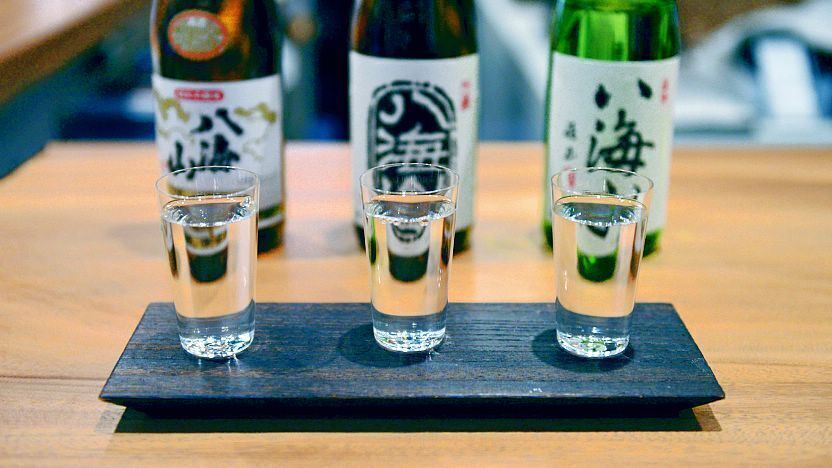
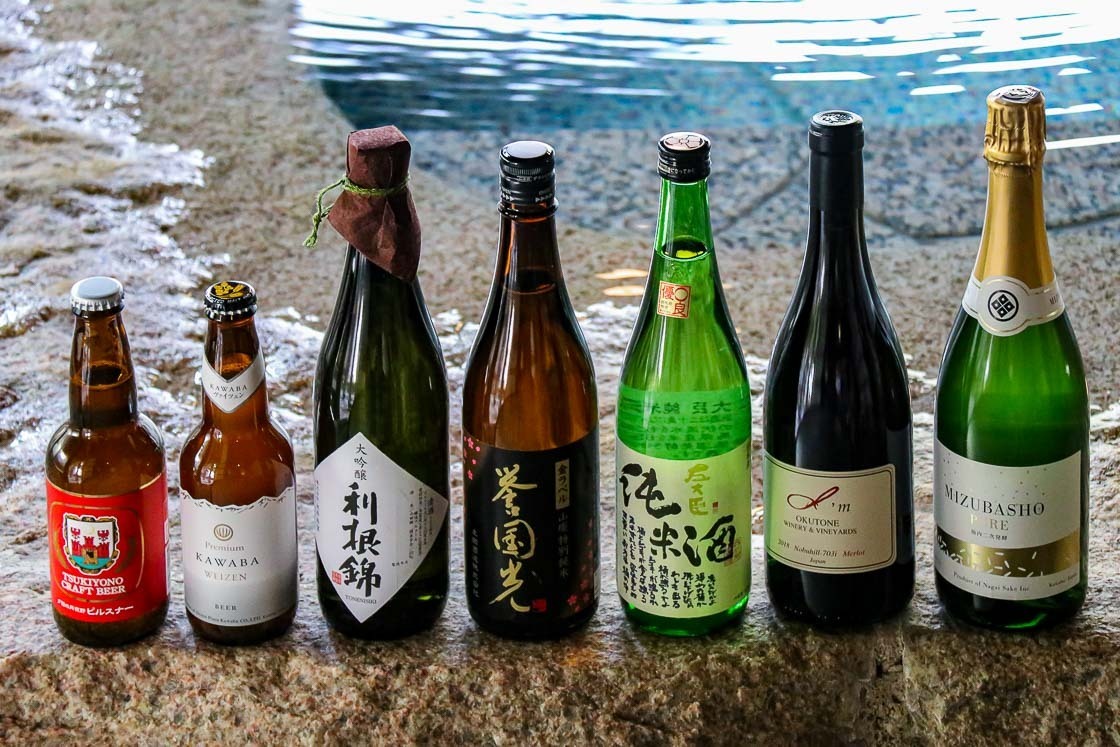
Here’s what a typical Japanese alcohol selection looks like:
Where Can You Drink Alcohol in Japan?
Japan has some of the most relaxed public drinking laws in the world. There are no open container laws, meaning you can legally drink in:
- Public parks
- Streets and sidewalks
- Train stations and trains (though socially frowned upon on commuter trains)
- Beaches
- Highway buses
- Cherry blossom viewing parties (hanami)
This cultural acceptance of public drinking makes Japan unique. During cherry blossom season, parks fill with groups enjoying beer and sake under the blooming trees — a tradition called hanami that dates back centuries.
Penalties for Violating Japan Drinking Laws
For Underage Drinkers
While Japan takes the 20-year drinking age seriously in law, penalties for minors caught drinking are generally minor. Consequences typically include being asked to stop drinking, leaving the premises, or having alcohol confiscated. Criminal charges are rare unless other offenses occur.
For Sellers and Providers
The real legal risk falls on businesses and individuals who sell or provide alcohol to minors. Under the Act on Securing Healthy Development of Youths, establishments face:
- Fines up to ¥500,000 (approximately $3,300 USD)
- License suspension or revocation
- Potential business shutdown for repeated violations
Drink Driving: Zero Toleranc
Japan enforces an extremely strict zero-tolerance policy for drink driving. Penalties include:
- Up to 5 years imprisonment
- Fines up to ¥1 million (approximately $6,600 USD)
- License suspension or revocation
- Passengers in a car with a drunk driver can also face charges
- People who knowingly lend their car to someone who will drive drunk face penalties
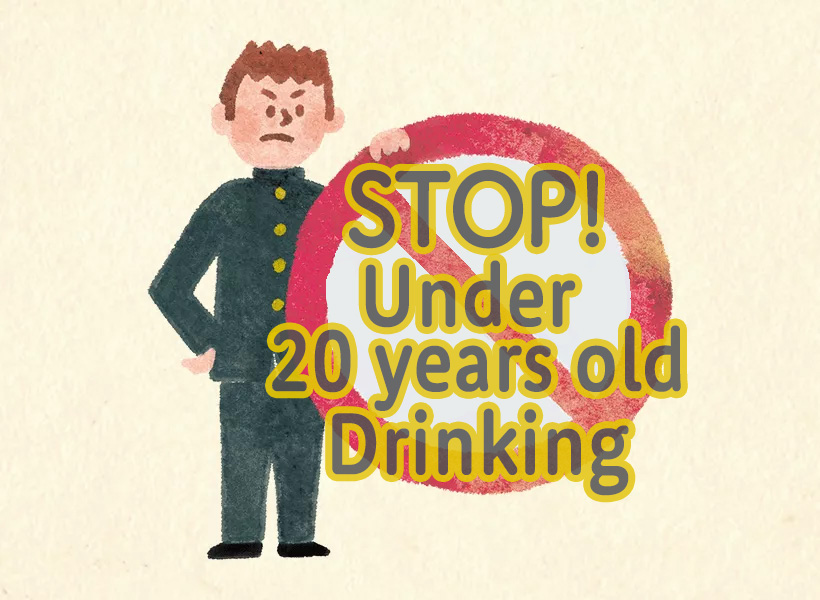
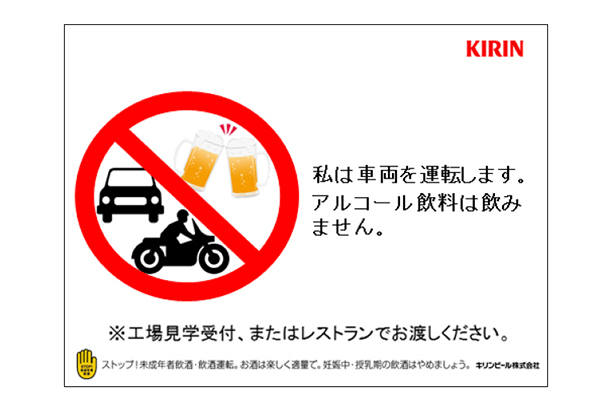
Here’s a Japanese responsible drinking awareness poster:
FAQ: Japan Legal Drinking Age
Q: Can tourists drink in Japan at 18 or 19? A: No. The legal drinking age in Japan is 20 for everyone, including tourists. You must carry valid ID.
Q: Do stores check ID in Japan? A: ID checks are inconsistent. Many convenience stores require you to press a button confirming you’re over 20, but passport checks are rare unless you look very young.
Q: Can I drink alcohol on trains in Japan? A: Legally yes on most trains, but it’s considered rude on commuter trains. It’s acceptable on the Shinkansen (bullet train) and highway buses
Q: Is there a dry day in Japan? A: No. Alcohol is available 24/7, 365 days a year with no restrictions on sales days or times.
Q: What happens if I’m caught drinking underage in Japan? A: Typically, you’ll be asked to stop and leave. The establishment faces harsher penalties than the individual minor.
Conclusion
The Japan legal drinking age of 20 remains unchanged despite the 2022 adulthood law revision. For tourists and residents alike, understanding these laws is essential — not just for compliance, but for appreciating Japan’s unique balance between accessibility and responsibility. Whether you’re enjoying sake in Kyoto, beer under cherry blossoms, or whisky in a Tokyo bar, remember that Japan’s drinking culture rewards respect for both the beverage and the law