Why You Need a Reliable Age Calculator
From verifying your child’s school readiness to tracking your longevity progress, age calculators serve dozens of practical purposes. But not all calculators are created equal. Some handle leap years incorrectly. Others lack the precision needed for medical or legal applications.
This guide reviews the best free age calculator tools available in 2026, categorized by use case and accuracy level.
Best Chronological Age Calculators
1. CalculatorSoup — Age Calculator
Best for: Detailed breakdowns and educational explanations
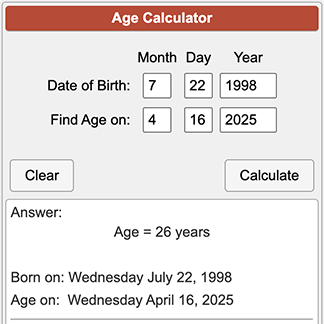
CalculatorSoup stands out for its comprehensive approach. It doesn’t just give you a number — it explains the calculation process, including how leap years affect your total days lived. The tool breaks results into years, months, weeks, days, hours, minutes, and even seconds.
Here’s what the interface looks like:
Key Features:
- Leap year awareness with detailed explanation
- Next birthday countdown
- Educational content about date arithmetic
- Mobile-friendly interface
Accuracy: ⭐⭐⭐⭐⭐
2. The Calculator Site — Chronological Age Calculator
Best for: Quick, clean results
This tool prioritizes speed and simplicity. Enter your birthdate and any target date, and it instantly returns your age in years, months, and days. The interface is distraction-free, making it ideal for repeated use.
Key Features:
- Date flexibility (calculate age as of any date)
- Clean, ad-light interface
- Works offline after initial load
Accuracy: ⭐⭐⭐⭐⭐
3. Age Calculator by Date of Birth (Mobile Apps)
Best for: On-the-go calculations
With search volume exceeding 48,000 monthly queries for “age calculator” in app stores, mobile solutions are in high demand. Top-rated apps include:
- Age Calculator (simple, reliable)
- Age Calculator: Calculate Your Chronological Age (comprehensive)
- Simple Age Calculator — Easy Age Calculation (minimalist)
Here’s what a typical mobile app interface looks like:
Key Features:
- Push notifications for upcoming birthdays
- Widget support for home screen
- Offline functionality
Best Biological Age Calculators
1. Blood Biomarker Analysis Tools
Best for: Clinical precision
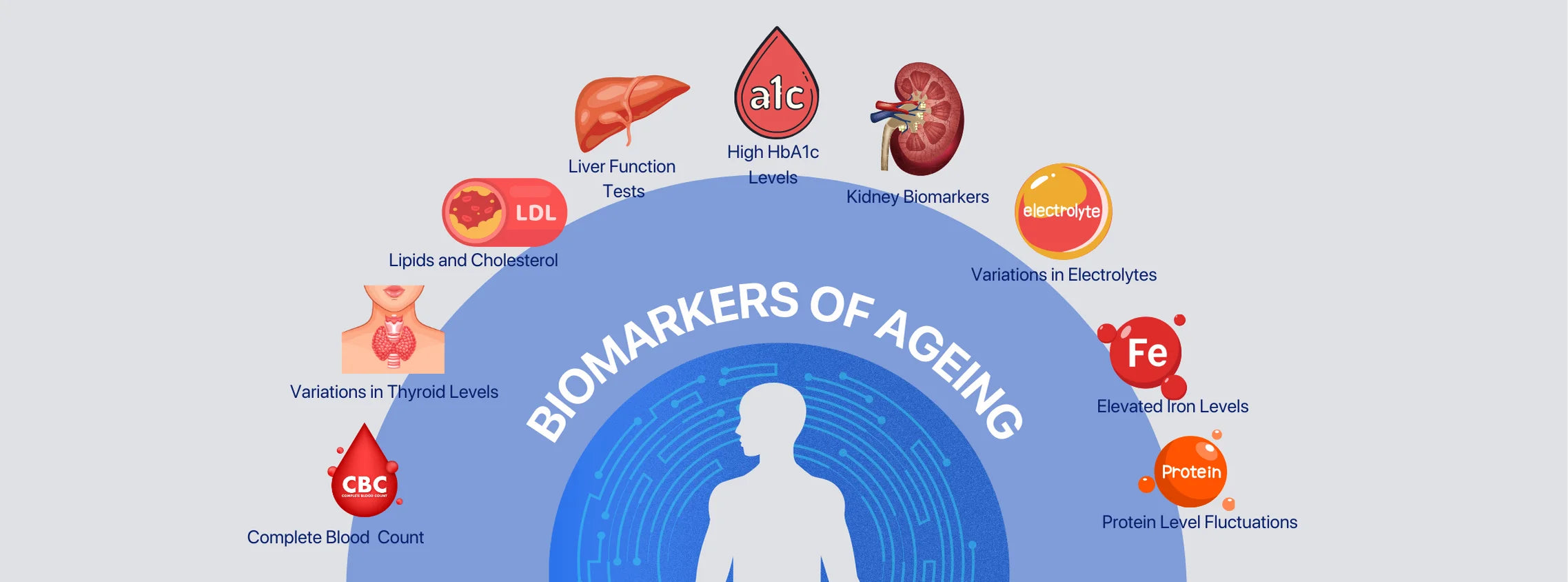
Advanced AI models analyze 12 key aging biomarkers from standard blood tests. They deliver results in under 60 seconds with claimed 98.7% accuracy. The platform also tracks longitudinal trends, showing whether your biological age is improving over time.
Here’s what blood biomarker analysis for aging looks like:
Key Features:
- 12 biomarker analysis
- Trend tracking over time
- Age gap score calculation
- HIPAA and GDPR compliant
Cost: Free basic analysis; premium features available
2. Free Online Biological Age Calculators
Best for: Lifestyle-based estimates
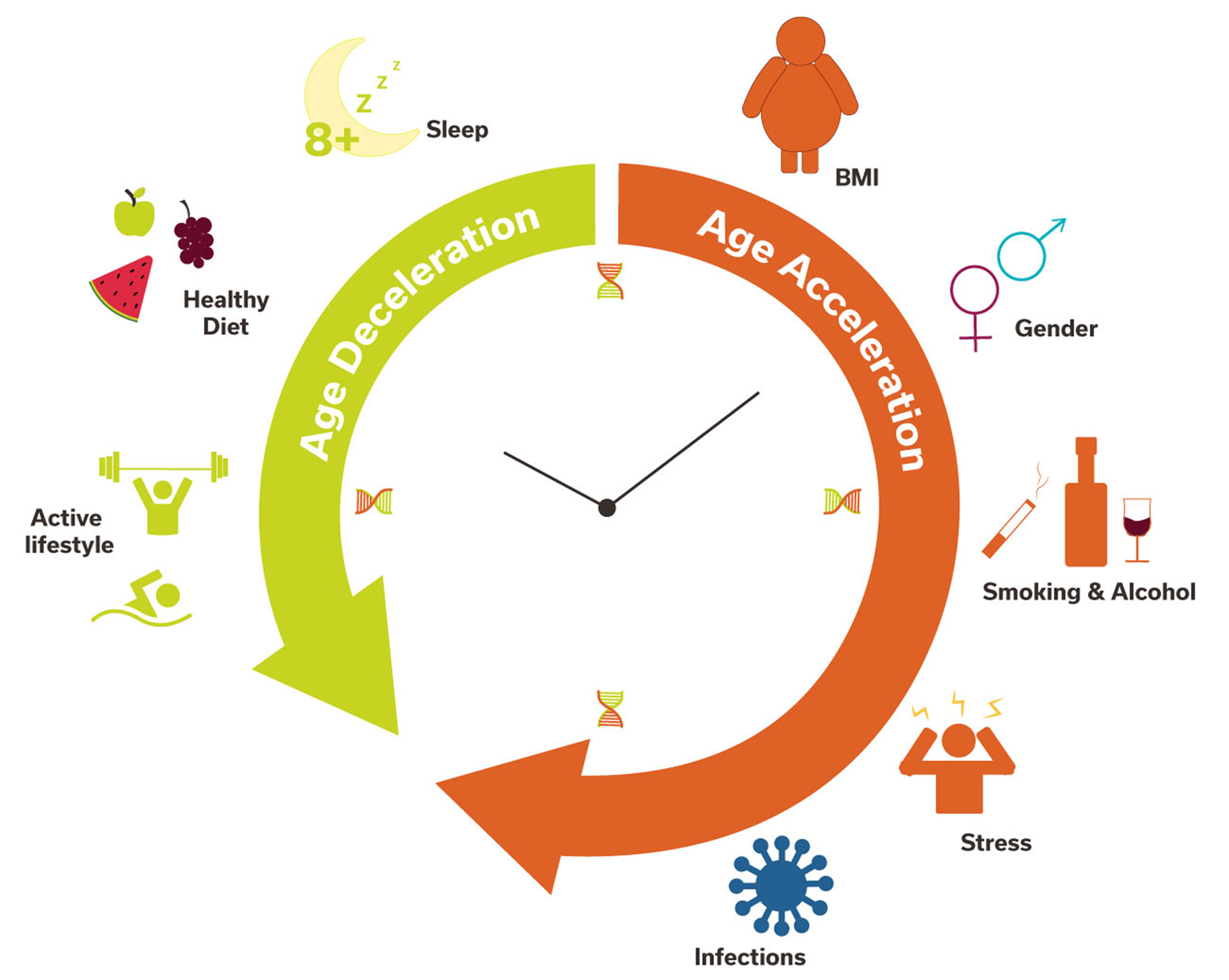
Several hospitals and wellness platforms offer free questionnaires that estimate biological age based on:
- Diet and nutrition habits
- Exercise frequency
- Sleep quality
- Stress levels
- Smoking and alcohol use
- Preventive health practices
While less precise than blood tests, these tools provide valuable directional insights and motivation for lifestyle changes.
Understanding Aging Biomarkers
If you’re serious about tracking your biological age, understanding the key biomarkers is essential. Here’s a comprehensive list of aging biomarkers used by researchers:
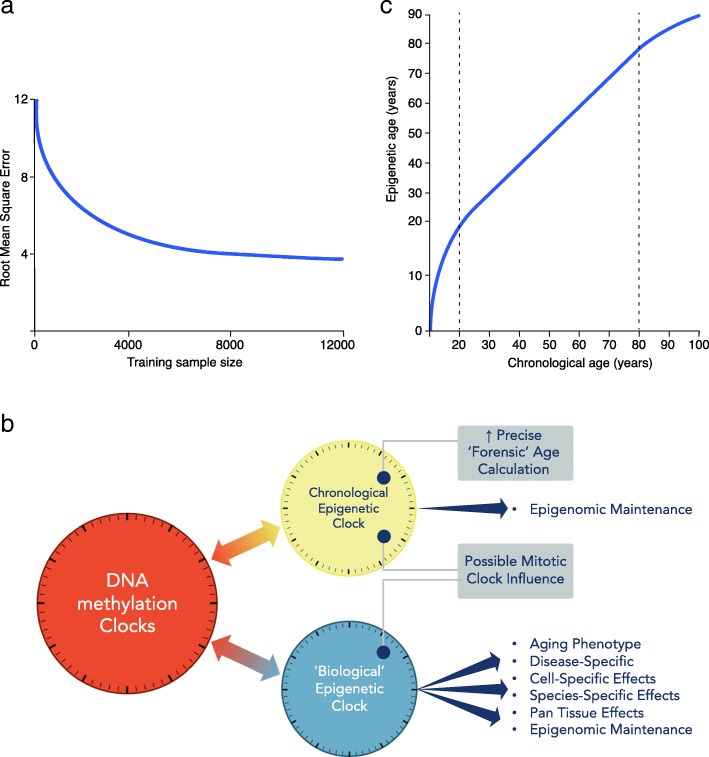
Key biomarkers to track include:
- Blood markers: Glucose, cholesterol, creatinine, albumin
- Inflammation markers: C-reactive protein, IL-6
- Hormonal markers: DHEA, testosterone, growth hormone
- Cellular markers: Telomere length, DNA methylation
- Physical markers: Gait speed, grip strength, body composition
Best Developmental Age Calculators
For parents and pediatricians, developmental age calculators assess whether a child is meeting milestones appropriate for their chronological age. These tools typically evaluate:
- Motor skills
- Language development
- Cognitive abilities
- Social-emotional growth
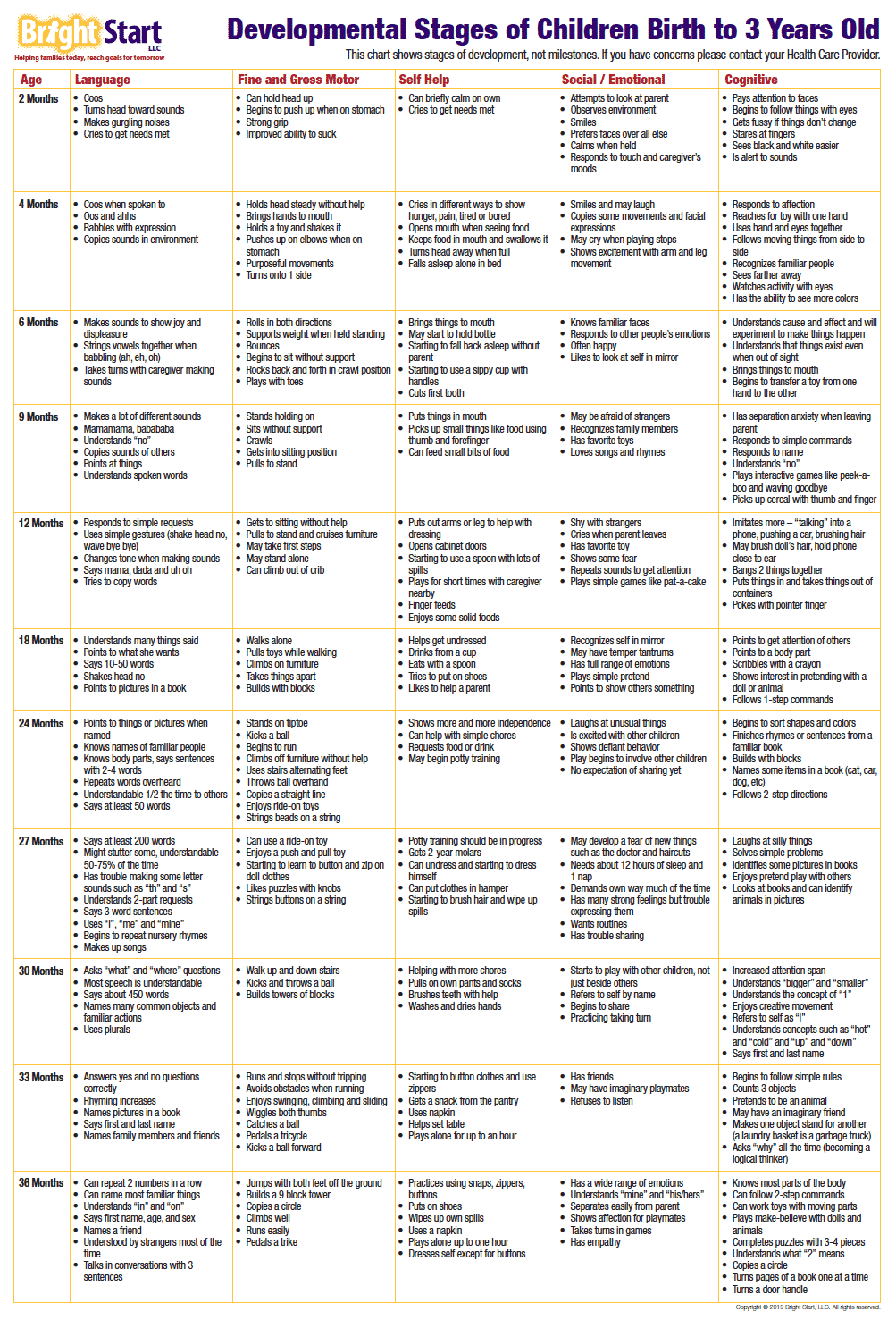
Here’s a visual guide to child developmental milestones by age:
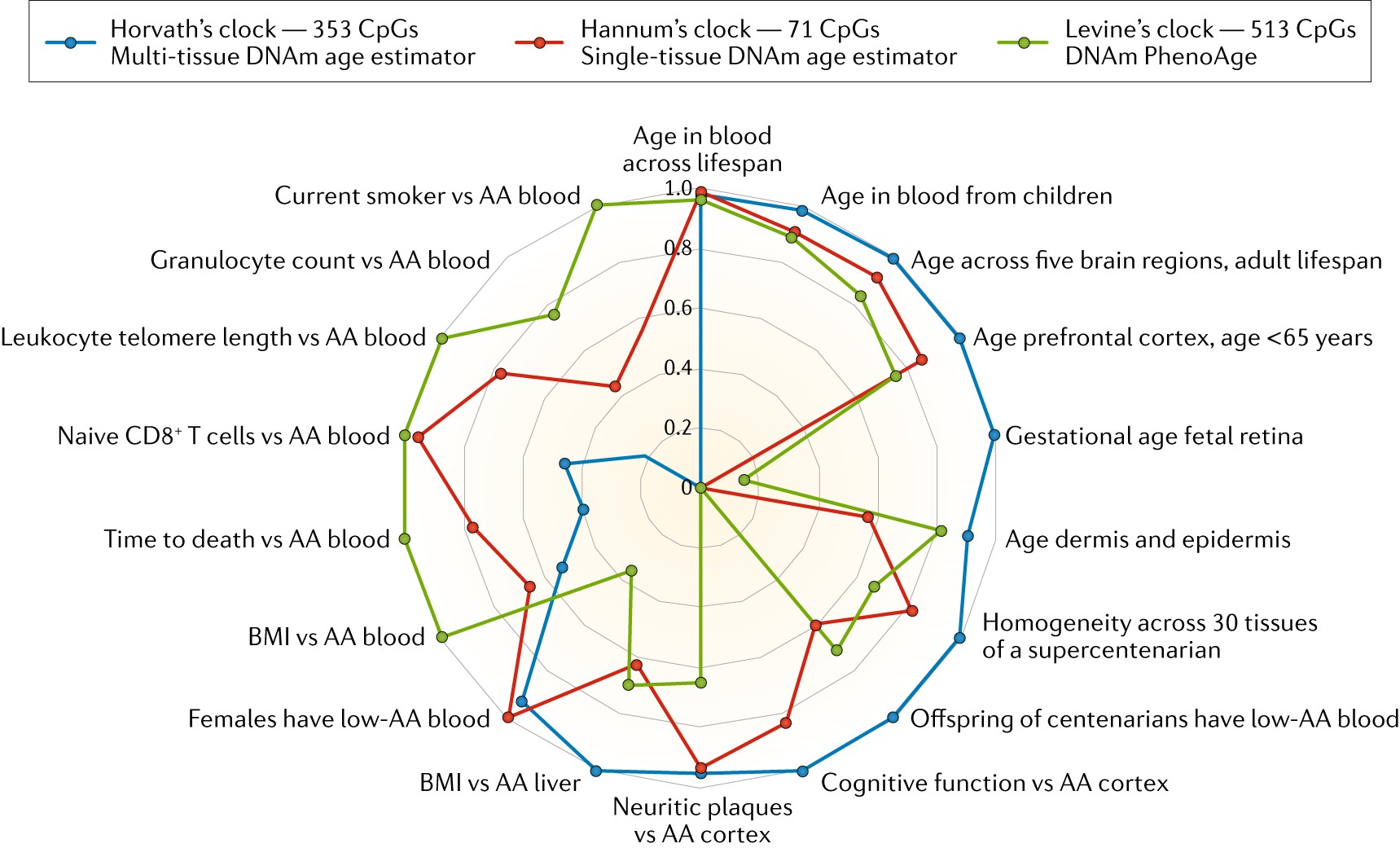
Note: Always consult a pediatrician for clinical developmental assessments. Online calculators are for informational purposes only.
How to Choose the Right Age Calculator
Table
| Your Need | Recommended Tool Type | Key Feature to Check |
|---|---|---|
| Legal/administrative | Chronological calculator | Leap year precision |
| Health optimization | Biological age calculator | Biomarker validation |
| Curiosity/fun | Comprehensive calculator | Seconds-level precision |
| Mobile convenience | App-based calculator | Offline functionality |
| Medical context | Clinical-grade calculator | Peer-reviewed methodology |
Common Mistakes When Using Age Calculators
- Ignoring leap years — Over 4 years, this creates a 1-day error. Over a lifetime, it can exceed 20 days.
- Using approximate month lengths — Assuming 30 days per month leads to cumulative errors.
- Wrong date format — DD/MM/YYYY vs MM/DD/YYYY confusion is the #1 user error.
- Forgetting time zones — For precise second-level calculations, birth location matters.
- Confusing calculators — Using a biological age calculator when you need chronological age (or vice versa).
The Future of Age Calculation: AI and Precision Medicine
The field is evolving rapidly. Machine learning models trained on hundreds of thousands of blood samples can now predict chronological age from laboratory data with high accuracy — and identify “outliers” whose biological age diverges significantly from their birth year.
Here’s how modern epigenetic clock technology works:

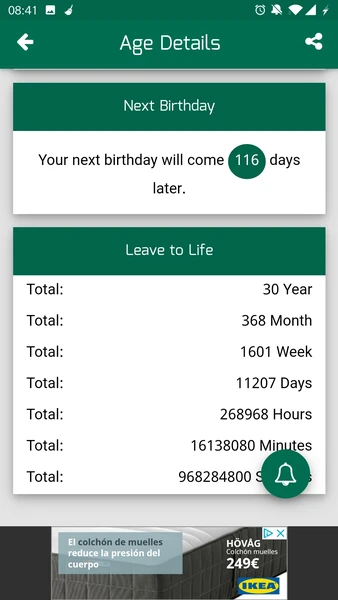
Emerging trends include:
- Epigenetic testing kits — At-home DNA methylation analysis for biological age
- Continuous monitoring — Wearables that track biological age proxies in real-time
- Personalized longevity protocols — AI-generated recommendations based on your specific age gap
FAQ: Age Calculator Tools
Q: Are free age calculators accurate? A: Reputable chronological calculators are highly accurate. Biological age calculators vary — lifestyle questionnaires provide estimates, while blood-based tools offer clinical precision.
Q: What’s the most accurate way to calculate age? A: For chronological age, use a calculator that explicitly handles leap years and variable month lengths. For biological age, blood biomarker analysis with AI interpretation is currently the gold standard.
Q: Can I calculate someone’s age without knowing their birth year? A: No — chronological age requires an exact birth date. However, biological age can be estimated from physical appearance or health markers (with lower accuracy).
Q: Why do different calculators give slightly different results? A: Minor variations usually stem from leap year handling, whether the calculator counts the current day as complete, or rounding differences in month calculations.
Conclusion
The right age calculator depends entirely on your goal. For everyday use, a reliable chronological calculator with leap year awareness is sufficient. For health optimization, invest in a biological age assessment — the gap between your chronological and biological age may be the most important number you track this year. Bookmark your preferred tools and revisit them regularly, especially as new AI-powered options emerge in the precision longevity space.